
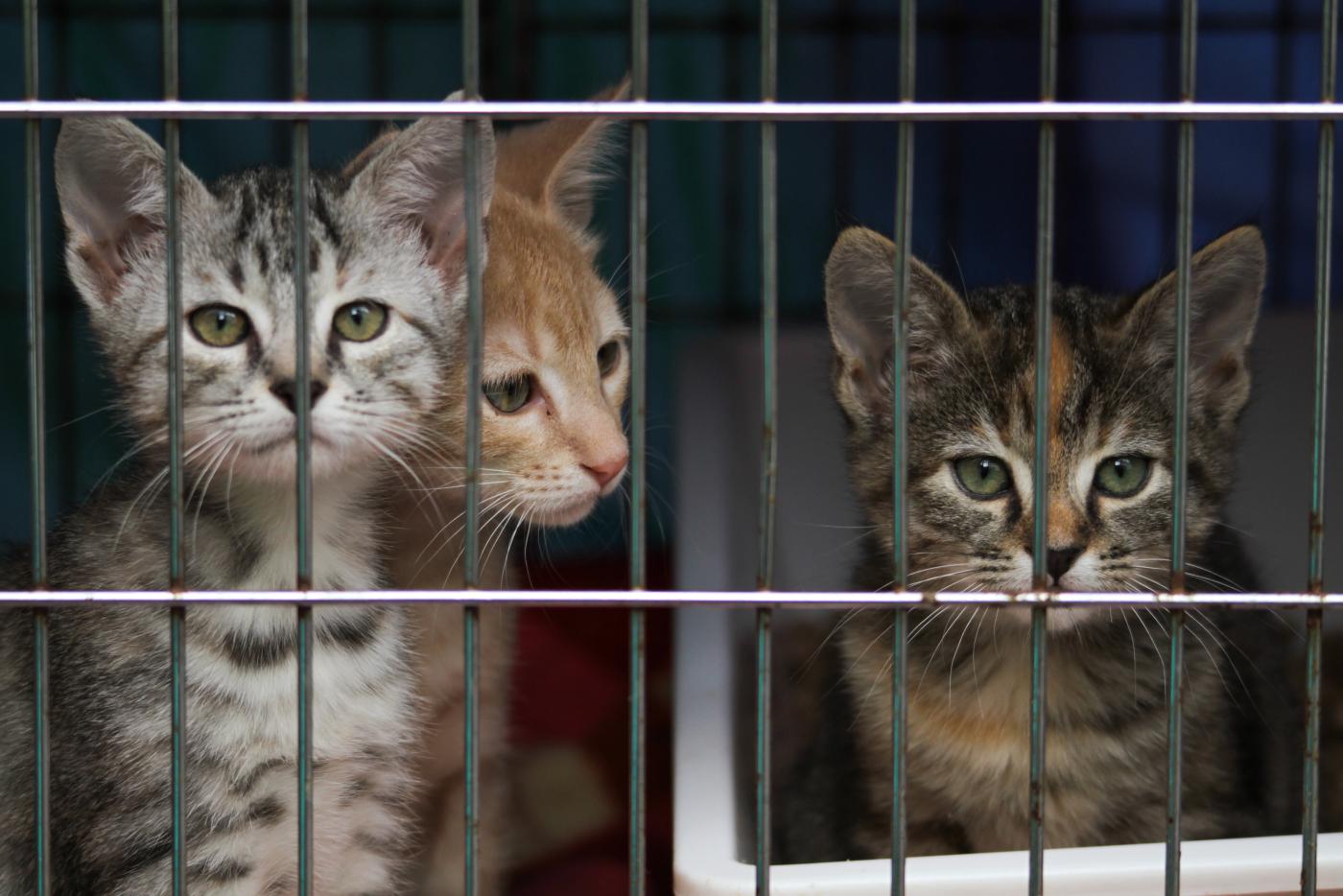
Guilford County Animal Services (GCAS) has recently seen an increase in confirmed cases of Feline Panleukopenia Virus (FPV) in our area. This highly contagious virus affects cats—particularly kittens—and can be life-threatening if not addressed promptly. As a result, the GCAS has quarantined multiple stray cat/kitten rooms for the next two weeks to reduce the spread of FPV.
GCAS is encouraging residents to participate in their “stray to foster” program if a stray cat or kitten is found. The program allows the animal shelter to intake the cats or kittens while the finder takes them home and fosters them through the 72-hour stray hold period.
Feline panleukopenia is a highly contagious viral infectious disease in cats. FPV can affect kittens and unvaccinated cats, causing the infected animal to lose all defenses against any viruses or bacteria. If not appropriately diagnosed and treated, the virus can be fatal. The incubation period for the virus is 14 days.
Most cats infected with FPV may show no symptoms at all. Cats with FPV that become ill may experience the following symptoms: vomiting, diarrhea, fever, depression, lethargy, painful abdomen, lack of appetite, dehydration, or sudden death.
FPV can be spread when a cat ingests viral material that is present in feces, urine, saliva, or vomit. The spread can occur through cats using the same litterbox or sharing the same living space. GCAS is managing FPV with quarantine, isolation, and, if required, euthanasia.
Vaccination is the best method to prevent feline panleukopenia virus. Consult with a veterinarian to discuss if your cat is eligible for vaccination.
To learn more about feline panleukopenia virus, visit the American Veterinary Medical Association website.