
General disclaimers:
Consume plants only after proper identification and preparation. Some plants may cause allergic reactions or interact with medications.
Wash hands and produce thoroughly before eating.
Edible Plants, Trees, Bushes
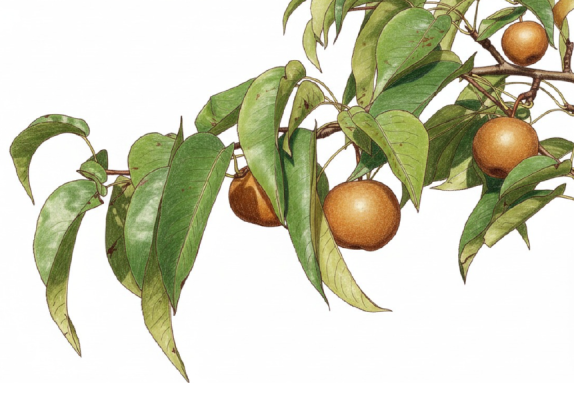
Pyrus pyrifolia
Harvest time:
Late summer to early fall (~Late August to early September)
Harvesting:
Pick by twisting when the color changes from green to rusty brown/orange or to greenish yellow for smoother-skinned varieties. The texture should be firm and crispy.
How to eat:
Can be eaten as soon as it is picked. Wash the outside of the pear and eat it similarly to an apple. They are very juicy with a mix of tartness and sweetness.
Avoid eating the core and seeds!
Nutrition info:
High in fiber, vitamin C, vitamin K, potassium, and copper
Sources:
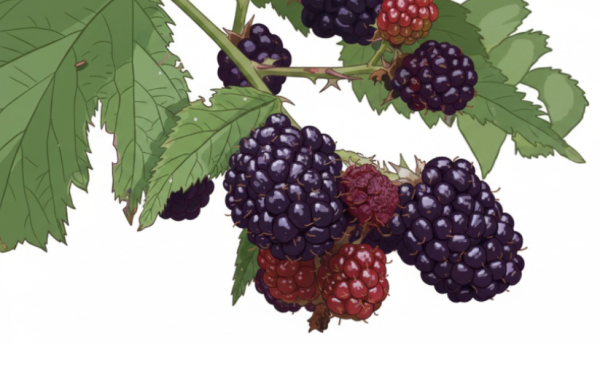
Rubus fruticosus
Harvest time:
Summer (Late June-August)
Harvesting:
Find dark black, plump blackberries that are not too firm. To pick, grab and twist the berry gently– it should come off easily.
How to eat:
Wash first, then eat raw or add to other meals, such as yogurts, salads, or smoothies. They are sweet with mild tartness, similar to a red grape but more intense.
Nutrition info:
High in vitamin C, vitamin K, and fiber
View recipe using blackberries
Sources:
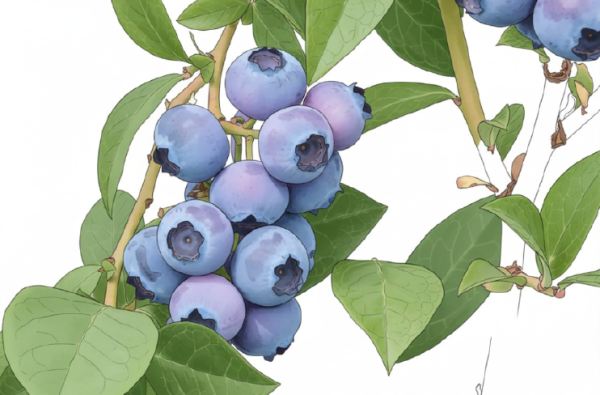
Vaccinium spp.
Harvest time:
Summer (early June to end of summer)
Harvesting:
They will be blue or blue-purple in color when they are ripe. They are ready when they easily fall from their stems.
How to eat:
Wash them to eat raw or add to other meals, such as yogurt, smoothies, or salads. They are sweet and tart in flavor, with bigger berries tending to be sweeter.
Nutrition:
High in vitamin C and fiber
Sources:
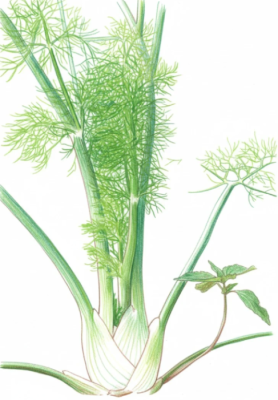
Foeniculum vulgare
Harvest time:
Summer through fall
Harvesting:
After ~90 days and well-established, take a few leaves off of the plant.
For the bulb, once it is around tennis ball sized, cut it around 2-3 in. below the soil surface or pull up the entire plant.
How to eat:
Wash the bulb/fronds and then eat raw or cooked. The bulb can be roasted, carmelized, or braised. The fronds can be used as a garnish or for flavoring. Fennel has a sweet and herby flavor with notes of licorice.
Nutrition info:
High in potassium, phosphorus, magnesium, calcium, and some essential fatty acids.
Sources:
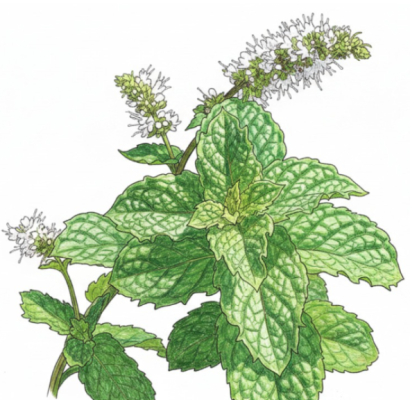
Pycnanthemum tenuifolium
Harvest time:
Prior to its initial flowering stage, typically late summer (July-August)
Harvesting:
When the stems are at least 6-8 in. long, cut the stem below the leaf, where its node is. Afterwards, pick the leaves off.
How to eat:
Dry and then wash to use with foods for flavoring, as a garnish, or with beverages, such as teas.
Nutrition info:
Higher in vitamin A, manganese, iron, and folate
Sources:
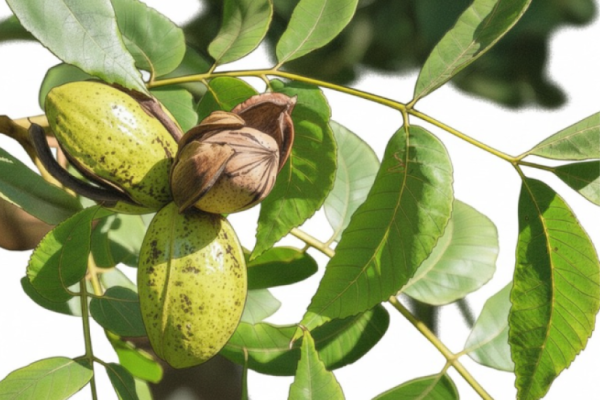
Carya illinoinensis
Harvest time:
Autumn (September to October-November)
Harvesting:
Pawnee pecans will fall when ripe in a yellow-brown casing that easily cracks/is splitting. Quickly grab them after falling to prevent rotting.
How to eat:
Ensure the casing is dry and splitting open (may need to store them after harvesting) and remove the pecan from its shell to eat. They have a rich, buttery taste that can be slightly sweet.
Nutrition:
High in fiber and unsaturated fats
Sources:
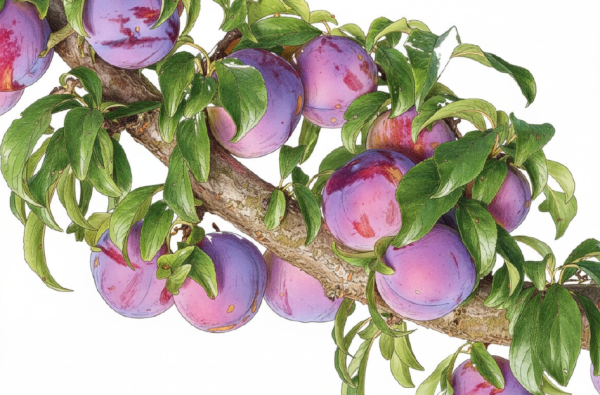
Prunus domestica
Harvest time:
Mid-summer to autumn (~Mid-July to September, can be as late as November)
Harvesting:
Ready to pick whenever they separate easily from the tree by twisting. They should be slightly soft, not firm.
How to eat:
Wash first, then can be eaten raw or cooked with the skin on or off (popular to remove the skin). Very sweet and juicy flavor, with the skin providing tartness.
Do not eat the pit!
Nutrition Info:
High in vitamins A, C, E, and K
Sources:
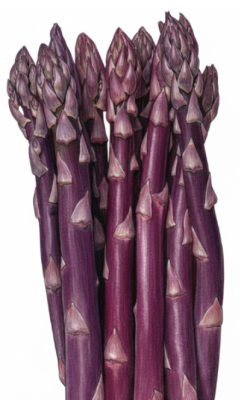
Asparagus officinalis
Harvest time:
Spring (April-May)
Harvesting:
Pick often (daily-every other day). They are ready when the tips are closed and they are ~6-10 in. tall. To pick them, snap the stalk or clip them at ground-level.
How to eat:
Wash first. Typically best when served raw (but can be steamed or roasted) to be used with meals such as a side or snack.
They have a mild, nutty flavor, but are sweeter than typical green asparagus.
Nutrition info:
High in potassium, fiber, vitamin B6, and vitamin C
Sources:
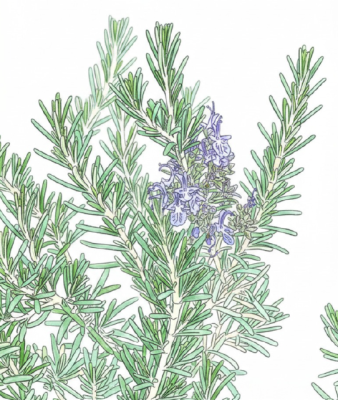
Salvia rosmarinus
Harvest time:
Spring
Harvesting:
Cut just above a leaf node/branching point on stems that are vibrant green.
How to eat:
It can be eaten raw or dried to add to dishes as a garnish/flavoring, or it can be brewed for beverages. It has a woody, pine-like flavor.
Nutrition info:
High in calcium, iron, manganese, and fiber, and vitamins such as A, C, and B6.
Sources:
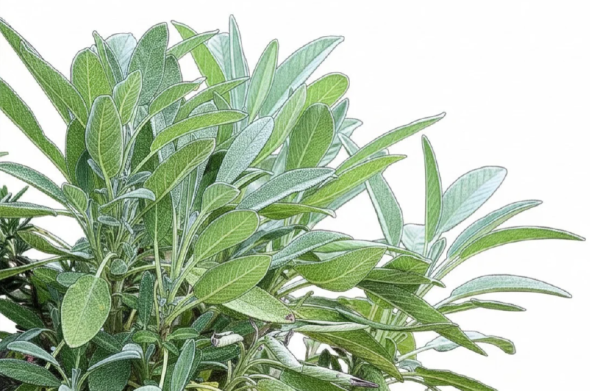
Salvia officinalis
Harvest time:
Late spring to summer
Harvesting:
Pinch off the leaves or snip the sprigs, ensuring to leave a few stalks left.
How to eat:
After removing the leaves, wash and dry them, then chop/mince or leave whole to cook. Sage has an earthy, piney, peppery flavor with hints of mint.
Nutrition info:
High in many nutrients and antioxidants such as vitamin K, fiber, calcium, iron, and manganese
Sources:
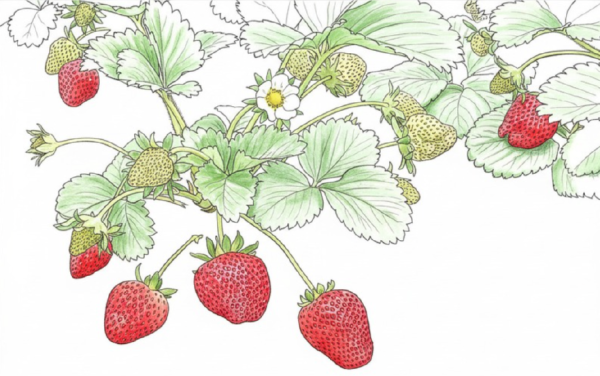
Fragaria x ananassa
Harvest time:
Spring-Summer (As early as March; peak time is April-May)
Harvesting:
Find fully red strawberries and snap the stem above the berry.
How to eat:
Wash first, then remove the stem and leaves. Eat raw or with meals, such as smoothies, oatmeal, or yogurt. They are mainly sweet with slight acidity and tartness.
Nutrition info:
High in vitamin C, manganese, folate, and potassium
View recipe using strawberries
Sources:
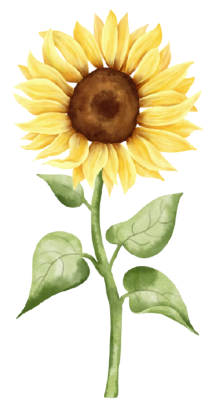
Helianthus annuus
Harvest time:
Late summer to fall
Harvesting:
Wait until the flower dries and/or the flower head turns brown. Cut the stem around 6 in. below the head. To harvest seeds, rub them off over a bowl or hang upside down.
How to eat:
Remove the seeds and thoroughly dry them to either roast or eat raw as a snack or in addition to other meals, such as salads. You can also eat the head by removing the petals then cooking the head by grilling or roasting it. They have a nutty, mild flavor.
Nutrition info:
High in many nutrients, such as vitamin E and B5, selenium, copper, and manganese.
View recipe using sunflower seeds
Sources:
Soil Builders and Pollinator Plants
General disclaimers:
Consult with a health care provider before the harvest or consumption of plants.
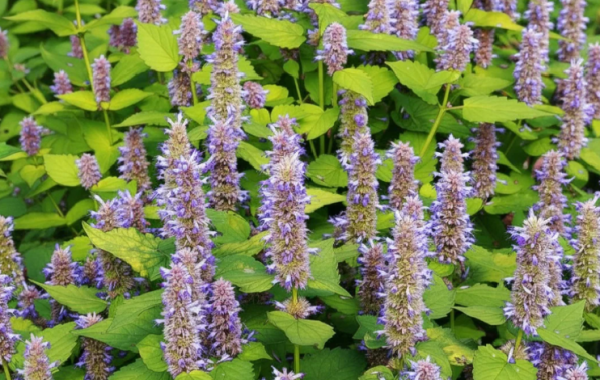
Agastache foeniculum x Agastache rugosa
Harvest time:
Mid-summer to autumn
Harvesting:
Cut the stem above a leaf node whenever the spikes are open. For seeds, allow the spikes to dry and remove the seeds.
Uses:
Its spikes are rich in nectar, which are great for pollinators and animals, such as hummingbirds, while also repelling pests (due to its oils). With this, its roots help with soil erosion and soil building.
Sources:
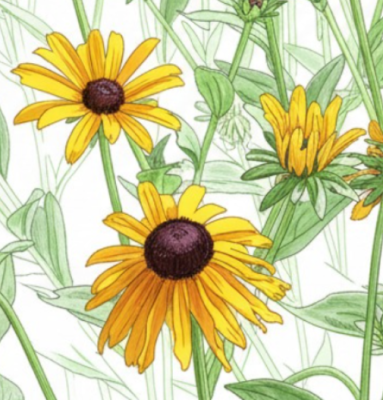
Rudbeckia fulgida
Harvest time:
Late summer through autumn
Harvesting:
To collect the seeds, wait until they are dry and brown and then clip the stems. Then, take the seed heads off from the stems and break them up.
Uses:
Very useful for to feed pollinators and birds (bees, butterflies, insects, and birds), as it is rich in nectar and pollen. The roots help stabilize the soil as well!
Sources:
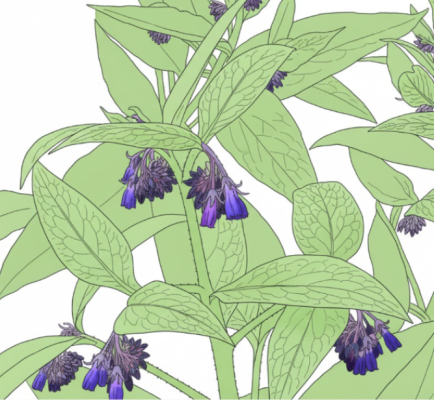
Symphytum officinale
Harvest time:
Late spring to early fall
Harvesting:
When the plant is around 2 ft. tall, cut around 2 in. above the base of the plant. Cut 2-4 times per season.
Uses:
Comfrey can uptake important minerals from the subsoil/ground to use for their foliage and later return them back to the soil after decomposition for other plants to use. It also provides nectar for pollinators earlier in the year!
Sources:
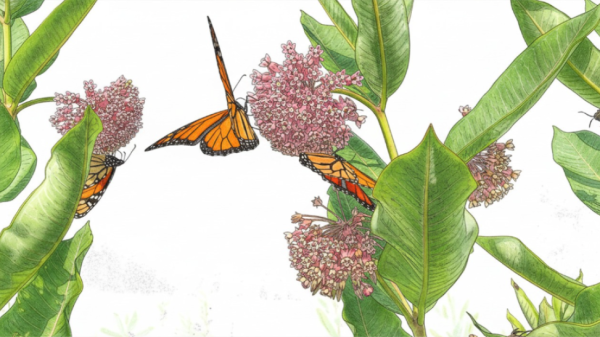
Asclepias syriaca
Harvest time:
Late summer through fall
Harvesting:
Once 6-8 in. tall, twist or snap the stems of the plant.
Or, when the pods are dark, dry, and split easily, split the pod at the seam and peel open to pull the seeds out.
Uses:
This is a major nectar source for pollinators, and milkweed plants are the only plants that Monarch butterfly caterpillars eat! They also help build the soil and support hundreds of insects!
Sources:
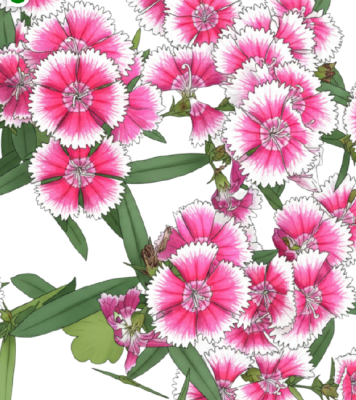
Dianthus sp.
Harvest time:
Summer
Harvesting:
When around 15-20% of flowers are open, cut the bottom of the stem above a node.
Uses:
Good pollen and nectar source for pollinators such as moths and butterflies. It can be planted in diverse soil types, allowing for greater biodiversity.
Sources:
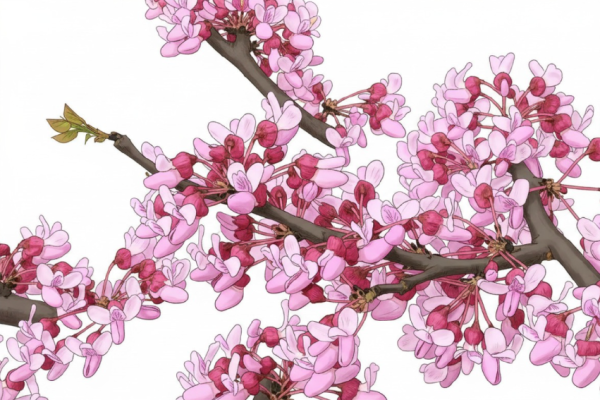
Cercis Canadensis
Harvest time:
The flowers are gathered in the spring. The seedpods can be eaten like peapods if harvested early spring within two to three weeks after peak bloom. The seeds can range in harvest times from late summer to late autumn.
Harvesting:
Pick the flowers off of the tree when they are pink and fully open as flowers, and they are ready to eat.The pods can also be plucked from the tree to eat whenever they are 1-2 in. long, bendable, and reddish-purple.
Uses:
This serves as a host plant and nectar source for pollinators earlier in the year, when other sources are not yet ready! Eastern Redbuds also contribute largely to soil fertility through adding nitrogen to the soil, which helps nearby plants grow.
How to eat:
The flowers and pods can be used raw in salads, jelly, stir fry, or as garnishes. Flowers have a sweet, tangy flavor that can be citrusy. Pods have a more tangy, sour flavor. The seeds can be roasted in the pod and shelled before eating.
Nutrition:
Contains small amounts of vitamins and antioxidants.
Sources:
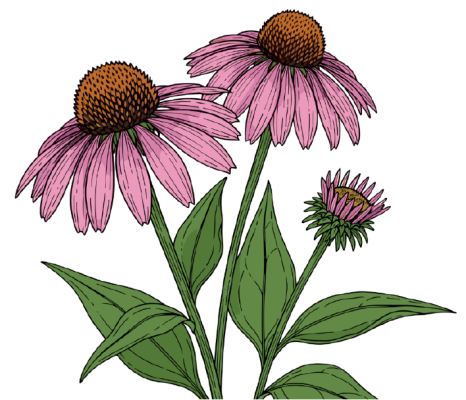
Echinacea purpurea (L.) moench
Harvest time:
Harvest the leaves and flowers in the summer while blooming; harvest the roots and seeds in autumn after the leaves have died (after at least three years) and when the seeds are dry and brown.
Harvesting:
Wait 3 years/2 growing seasons before harvesting the roots. To harvest the roots, dig the plant up and remove the entire root system. Then, cut half of the root system and clean it to replant. Cut the rest of the roots into small pieces and dry them.
For the seeds, wait until the seedheads are dry prior to picking them, and cut them from the stems to dry. Use a knife or scissors to scrape the seeds out of the seedhead.
For the flowers and leaves, cut the stems above the lowest pair of leaves. Then, lay them or hang them in a dry location.
Uses:
A great pollen and nectar source for over 100 pollinators! It can also feed birds throughout the cooler months. With this, it aids in soil stability and water infiltration from its deep roots.
Sources:
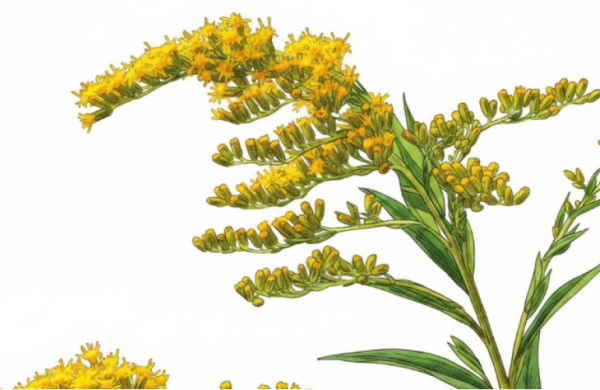
Solidago rugosa
Harvest time:
Late summer through early fall
Harvesting:
Cut the top of the plant (i.e. the flowers and leaves at the ends/tops of the stems), leaving at least ⅔ of the flowers on the plant.
Uses:
A great pollen source for later in the year for over 100 pollinators. It also feeds animals year-round! Its roots contribute to soil stability and binding as well through controlling erosion.
Sources:
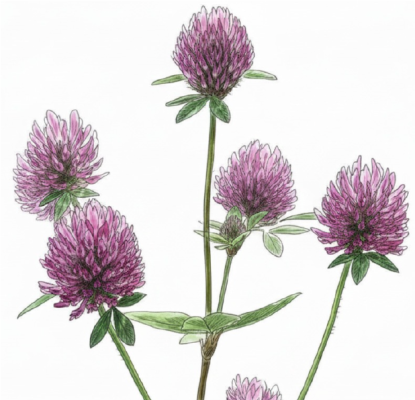
Trifolium pratense
Harvest time:
Late spring to summer
Harvesting:
Harvest in the morning after dew/when dry and pluck/cut the flower head along with the top leaves. Choose clovers that are fully expanded and rich in color.
Uses:
Red clover helps to build and fertilize the soil through its structure and nitrogen fixation. It also helps feed pollinators while suppressing weed growth.
Sources:
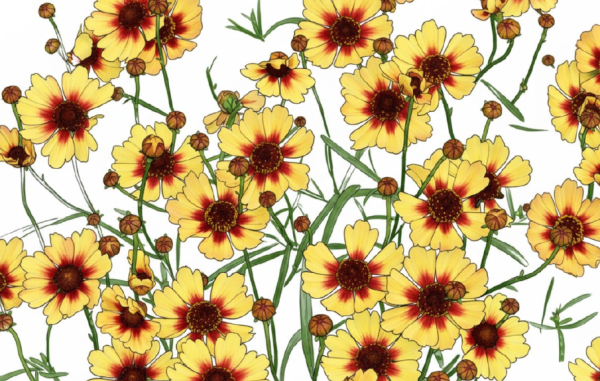
Coreopsis verticillata
Harvest time:
Summer through fall
Harvesting:
Pluck the flowers in the morning once pompous and the blooms are opening. Remove the leaves, pistils and stamens.
Harvest the seeds by waiting for the flower head to be brown and dry, then snipping the head and drying it over 1-2 weeks. Then crush/cut the head and remove the seeds.
Uses:
It is a great pollen source for pollinators, and food source year round for animals, such as birds! It has deep roots that help manage soil erosion while aiding in stabilization.
Sources:
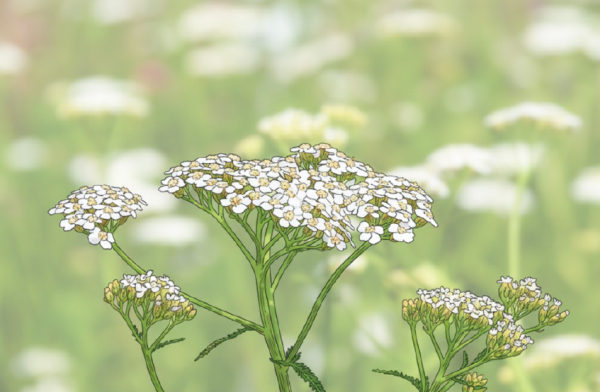
Achillea millefolium
Harvest time:
Summer
Harvesting:
Harvest whenever flowers are open and vibrant. Cut the stems when there is no moisture or morning dew.
Uses:
Great pollen source for majority of the year, with winter being the only season that it is not used! It provides life to gardens through both its foliage and root system, which controls erosion and provides fertility through pulling nutrients from the soil.
Sources:
Photos are provided by N.C. A&T College of Agriculture and Environmental Sciences.